ServicesIrrigation
Irrigation Repair and Installation in Belle Isle
We fix broken heads, leaks and controllers, rework zones that water the wrong things, and put in new systems when the old one is past saving. You get a yard that gets the right amount of water and a bill that stops creeping up.
Water where it's needed, and not much more
Most sprinkler problems start small. A head gets clipped by a mower, a nozzle clogs with sand, a valve sticks open. Nobody notices until there's a brown patch in the lawn or a soggy spot by the driveway that never dries.
We look at the whole system, not just the broken part. Our sandy soil drains fast, so lawns here need steady, even coverage, and beds often do better on drip than spray. Getting that right means less water, fewer dead spots and plants that last longer.
Before we touch anything, we tell you what each fix costs now and what it saves or prevents later. Sometimes a few new heads and a reset controller is all it takes. Sometimes patching an old system just means paying twice.
What our irrigation work covers
Sprinkler head repair and replacement
We replace broken, sunken and tilted heads and swap worn nozzles. Heads get set to the right height so the mower misses them and the spray clears the grass.
Leak and valve repair
We track down underground leaks, cracked pipe and valves that stick open or won't turn on. A slow leak can run every cycle for months before it shows.
Controller and rain sensor setup
We program run times by zone and season and check that the rain shutoff works, which Florida requires on automatic systems. If a smart controller makes sense for your yard, we'll explain what it costs and how it pays back.
Zone redesign and drip conversion
Lawn and shrubs need different amounts of water. We split zones that mix them and move beds to drip lines, which put water at the roots instead of on the siding and sidewalk.
New system installation
For new builds, full replacements or yards that never had one, we lay out zones, trench, install pipe, valves and heads, and hook up the controller. We plan it around your lawn, beds and any new plantings from our landscape design or sod installation work.
Signs your sprinkler system needs work
- Brown patches in a green lawn
- Dry spots in the same place every week usually mean a clogged nozzle, a blocked head or poor spacing. It's rarely the grass itself.
- Puddles or soggy ground
- Water pooling near a head or a spot that stays wet days after a cycle often points to a leak or a valve that won't close.
- A water bill that keeps climbing
- If usage goes up and nothing changed in the house, the irrigation system is the first place we look.
- Spray hitting walls and pavement
- Water on the driveway or the side of your home is wasted, and it stains. Heads need adjusting or the zone needs rethinking.
- Sprinklers running in the rain
- That means the rain sensor is missing, broken or bypassed. It's a cheap fix that saves water all summer.
How an irrigation job goes
- 1
Walkthrough and zone test
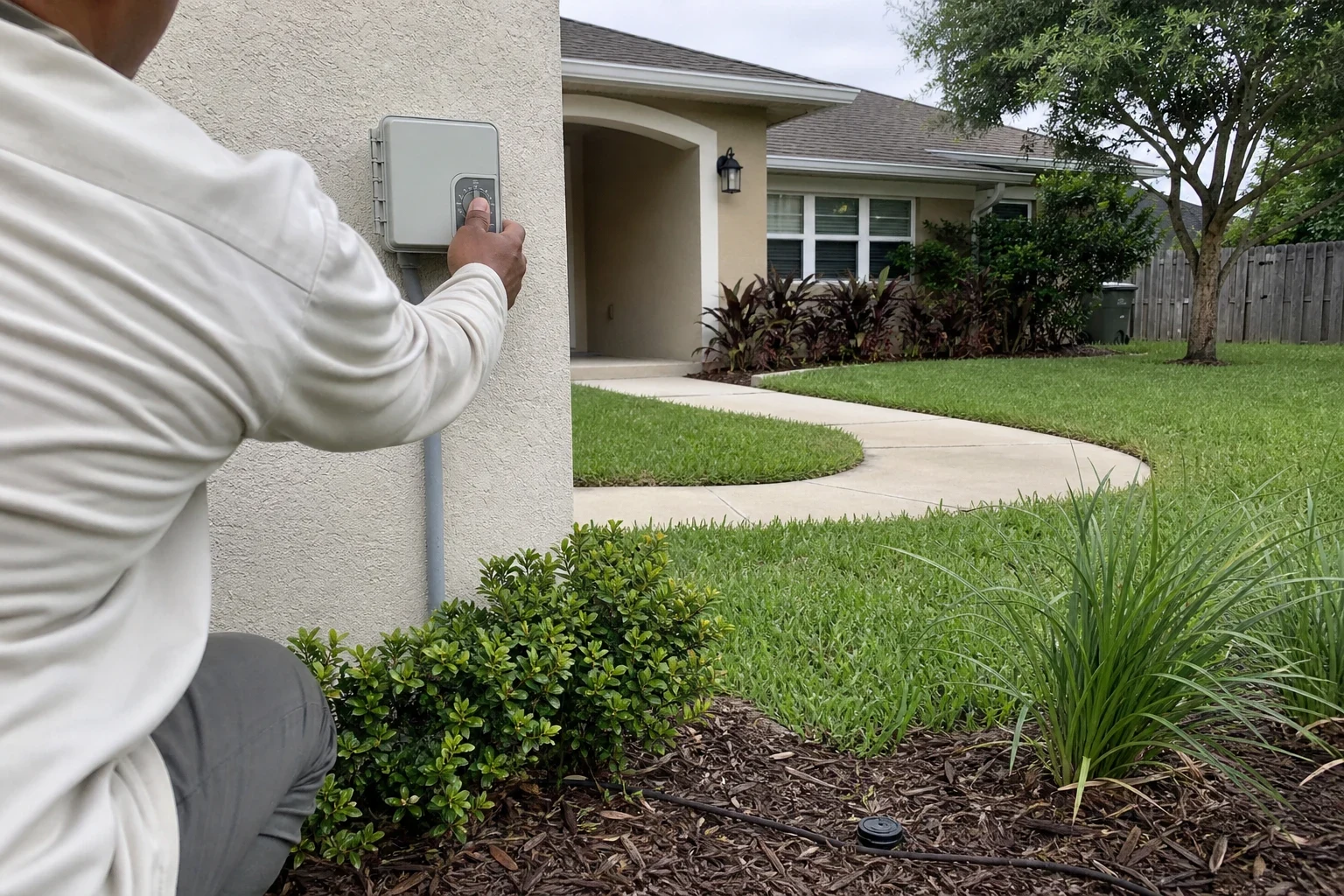
We meet you at your home and run every zone. We mark broken heads, weak pressure and coverage gaps, and show you what we found.
- 2
Written estimate with options
You get a line-item estimate. Where it matters, we lay out repair next to replacement so you can see the cost now and the likely upkeep later.
- 3
The work
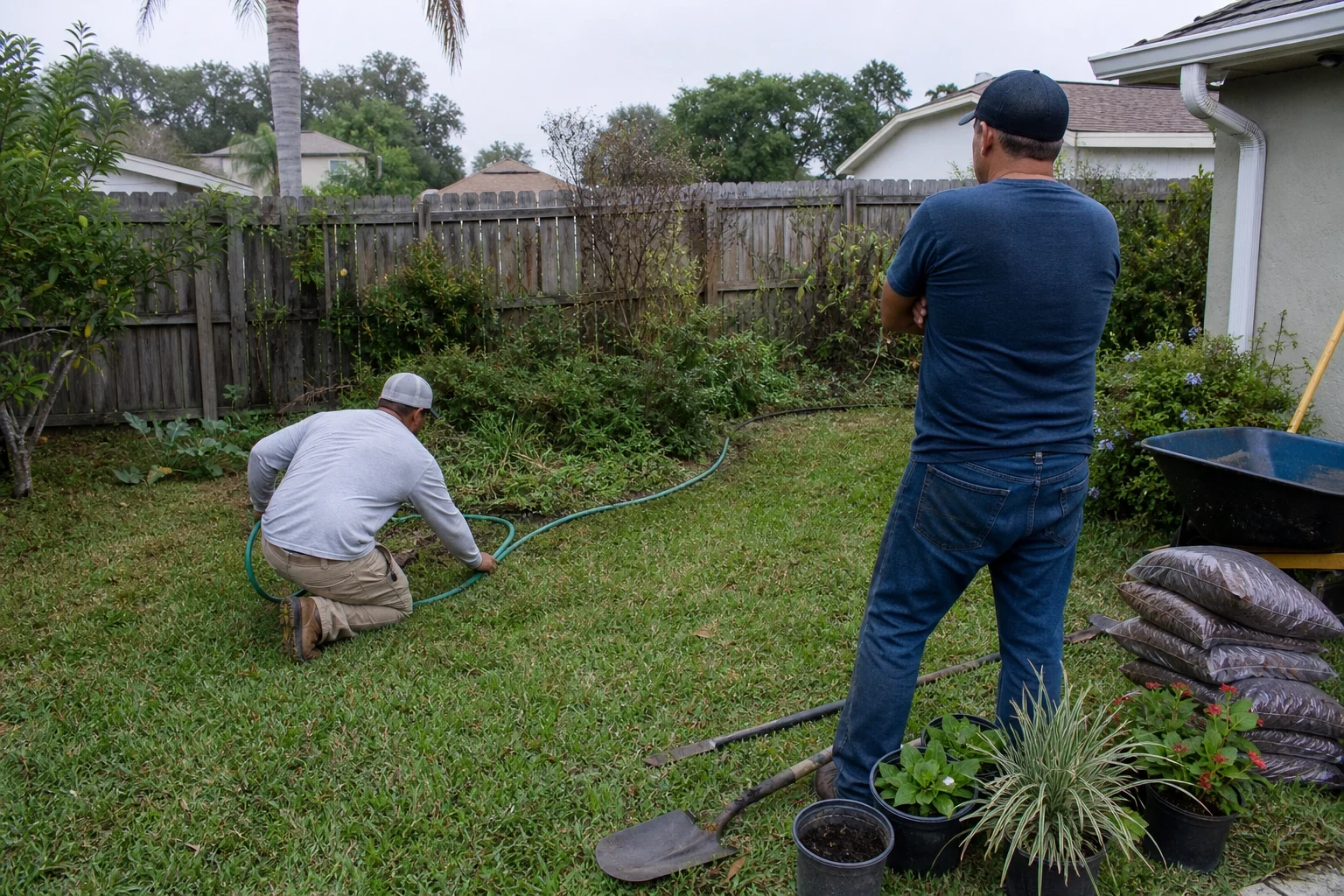
We mark lines before digging, cut sod carefully and set it back after. Most repairs are done in a day. New systems take longer depending on size.
- 4
Final test and controller setup
We run each zone with you, set the schedule to the current season and local watering-day rules, and show you how to adjust it.
What sets the price
We price after we've run the system and seen what's going on. The estimate is written and broken out line by line, so you know what you're paying for. For a bigger upgrade, you can spread the cost: we finance amounts up to $100,000, with terms anywhere from 2 to 12 years, and paying it off early carries no penalty.
- Repair or replace
- A few heads and a valve cost far less than a new system. But if the pipe is old and brittle, repairs tend to stack up. We'll tell you which way the numbers point.
- Number of zones and yard size
- More zones means more valves, more pipe and more wiring. Bigger yards take more trenching.
- Drip versus spray
- Drip costs a bit more to put in for beds but uses less water and keeps leaves dry, which cuts down on fungus and replacement plants.
- Access and what's in the way
- Pipe under driveways, patios or tree roots takes more time to reach or reroute.
- Controller choice
- A basic timer is cheaper up front. A smart controller adjusts to weather and can lower water use over the years.
Irrigation questions we hear
- Should I repair my old system or replace it?
- It depends on the pipe, the valves and how the zones are laid out. If the bones are good, repair almost always wins. If we keep finding cracked pipe and the zones mix lawn with beds, replacing it usually costs less over the next several years. We'll show you both numbers.
- How often should my lawn be watered?
- It changes with the season and your area's watering-day rules. In the hot months lawns here usually need deeper, less frequent watering rather than short daily runs. We set the controller for the current season and show you how to change it.
- Will you tear up my lawn?
- Some digging is part of the job. We cut sod in clean pieces, set it aside and put it back when the work is done. Trenches settle and green back in, and we clean up before we leave.
- Do you work on systems another company installed?
- Yes. Most of the systems we repair were put in by someone else or came with the house. We've been in business since 2018 and see most brands and layouts.
- Is a smart controller worth it?
- For many yards, yes. It skips cycles after rain and adjusts run times through the year. On a small yard with a simple layout, a good standard timer can be enough, and we'll say so.
Let's run your zones and see what's going on
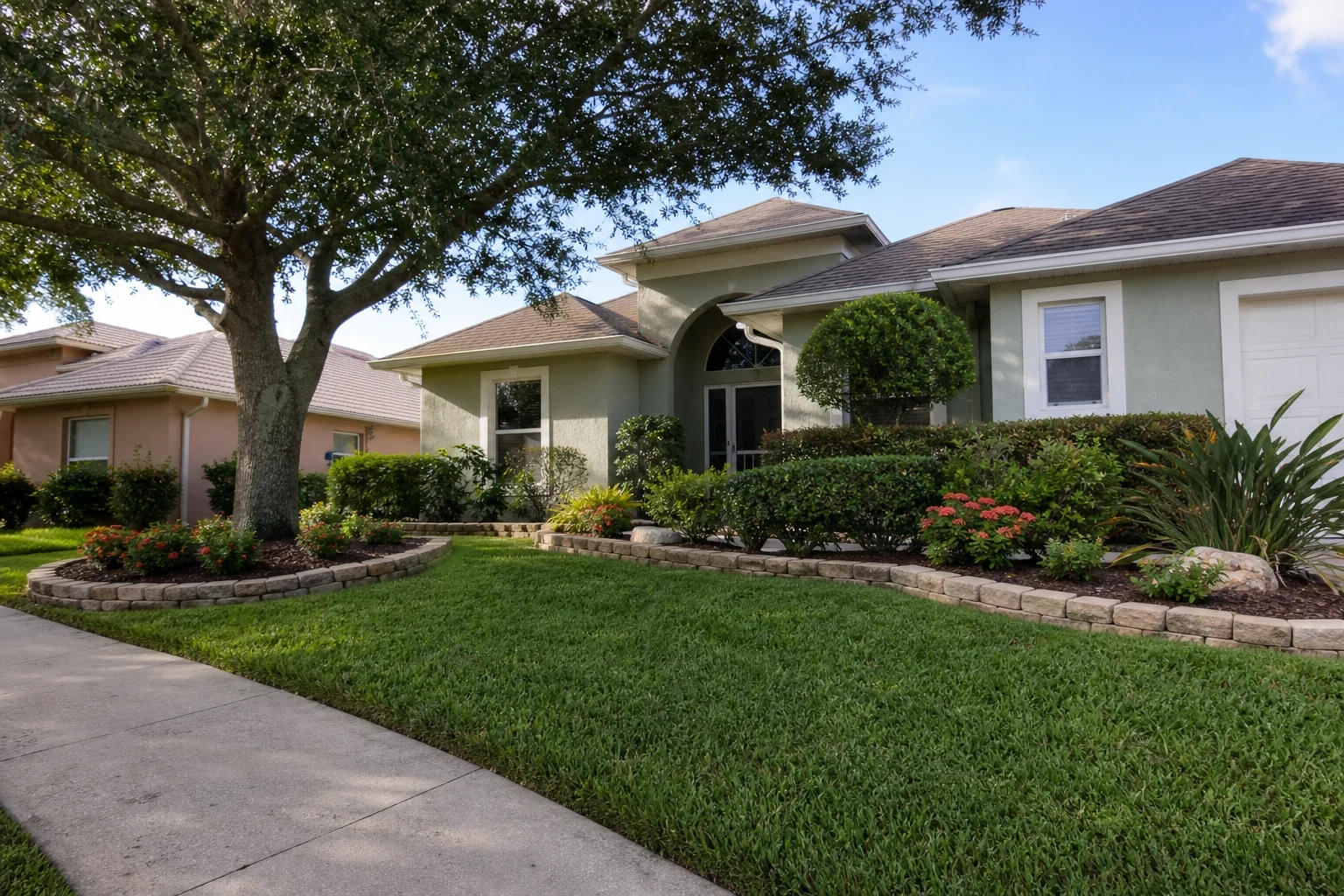
We'll come out, test the system with you and give you a free estimate with clear options. Pair it with lawn care or new sod if the yard needs a fresh start.